
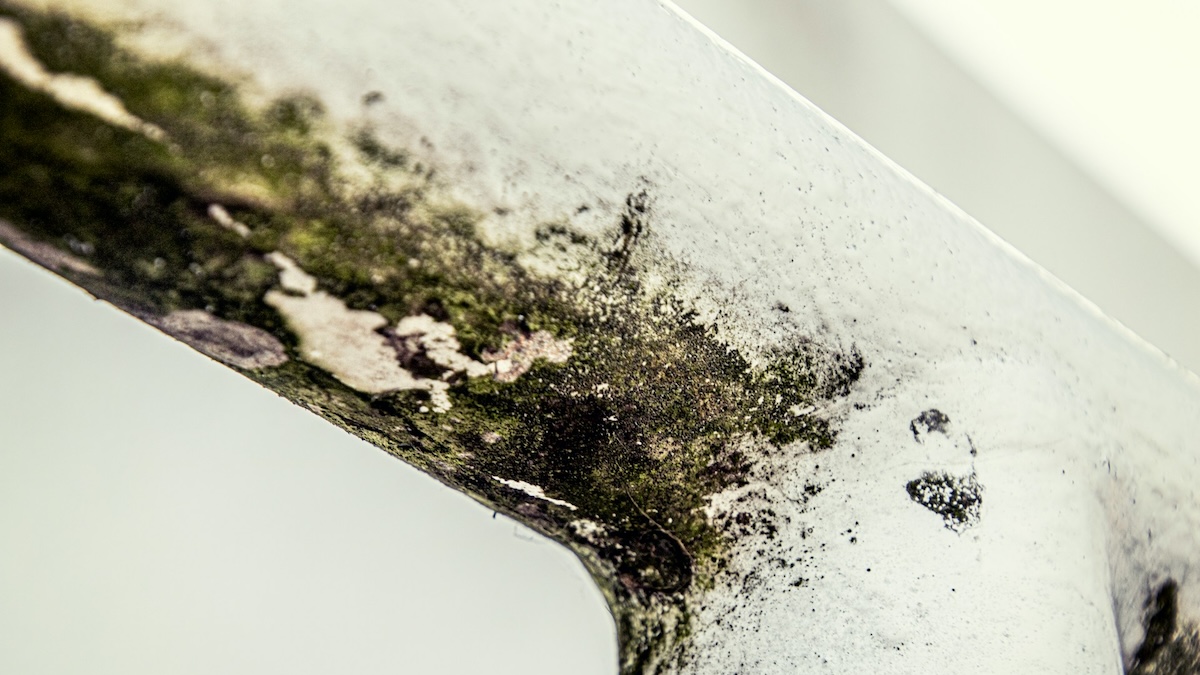
Flooding and water damage can turn your home into a breeding ground for black mold (Stachybotrys chartarum), a toxic fungus that thrives in damp, humid environments. Left unchecked, black mold can cause health issues like respiratory problems, allergic reactions, and even neurological symptoms. Acting quickly and effectively is crucial to prevent mold from taking hold after a flood. This guide aims to provide you with practical, actionable tips for safely removing black mold and restoring your home.
Table of Contents
Why Black Mold Is a Concern After Flooding
Floodwater often carries contaminants like sewage, chemicals, or debris, creating ideal conditions for mold growth. Black mold can start growing within 24–48 hours in wet, poorly ventilated areas. It’s commonly found on drywall, wood, carpets, and other porous surfaces. The key to managing black mold is to act very fast, prioritize safety, and prevent any further spreading.
Step-by-Step Black Mold Removal Tips
1. Assess the Damage and Ensure Safety
Before trying to tackle toxic black mold, you’ll need to evaluate the extent of the water damage and mold growth:
- Check for hazards: Ensure the area is safe—no exposed electrical wires, unstable structures, or standing water.
- Wear protective gear: Use an N95 respirator mask, gloves, goggles, and protective clothing to avoid inhaling spores or skin contact.
- Ventilate the area: Open windows and doors if safe, but avoid spreading spores by using fans cautiously.
- Test for mold: If you suspect hidden mold (e.g., behind walls), consider hiring a professional for mold testing.
Tip: If the affected area is larger than 10 square feet, the EPA recommends hiring a professional mold remediation company that specializes in black mold removal.
2. Stop the Source of Moisture
Mold cannot grow without moisture, so addressing the water source is critical:
- Dry out the area: Use dehumidifiers, fans, and wet/dry vacuums to remove standing water and dry surfaces within 24–48 hours.
- Fix leaks: Repair broken pipes, roofs, or other sources of water intrusion.
- Remove wet materials: Discard soaked carpets, insulation, or drywall that cannot be thoroughly dried, as these are prime mold breeding grounds.
Tip: Monitor humidity levels with a hygrometer. Aim for below 60% relative humidity to prevent mold growth.
3. Remove Contaminated Materials
Porous materials like drywall, carpeting, and upholstery often need to be removed and discarded if they’re heavily contaminated:
- Bag and seal: Place moldy materials in heavy-duty plastic bags to prevent spores from spreading.
- Clean non-porous surfaces: Hard surfaces like tile, glass, or metal can be cleaned with a mold-killing solution (see below).
- Dispose properly: Check local regulations for disposing of mold-contaminated materials, as some areas have specific guidelines.
Tip: Label discarded items as “mold-contaminated” to alert waste handlers.
4. Clean and Disinfect Affected Areas
For surfaces that can be salvaged, a very thorough cleaning is essential:
- Use a mold-killing solution: Mix 1 cup of unscented bleach with 1 gallon of water, or use a commercial mold remover. Never mix bleach with ammonia, as this creates toxic fumes.
- Scrub thoroughly: Use a stiff brush to scrub mold off hard surfaces, ensuring all visible mold is removed.
- Dry completely: Wipe surfaces dry and run dehumidifiers to prevent residual moisture.
Tip: For stubborn mold stains, using a solution of 10% hydrogen peroxide or white vinegar can be effective for spot treatments.
5. Prevent Future Mold Growth
Once the black mold has been removed, you’ll need to take these steps to keep it from returning:
- Improve ventilation: Install exhaust fans in bathrooms and kitchens, and ensure proper airflow in basements or crawl spaces.
- Use mold-resistant products: When rebuilding, opt for mold-resistant drywall, paint, or insulation.
- Monitor for signs of mold: Regularly inspect areas prone to moisture, like basements, attics, and bathrooms, for musty odors or discoloration.
Tip: Consider investing in a high-quality dehumidifier for flood-prone areas to maintain low humidity levels year-round.
When to Call in The Mold Removal Experts
DIY mold removal methods can be feasible for small areas, but certain situations require expert intervention:
- Large-scale infestations: Mold covering more than 10 square feet.
- Hidden mold: Suspected growth inside walls, HVAC systems, or crawl spaces.
- Health concerns: If anyone in the household has respiratory issues, allergies, or a compromised immune system.
- Sewage contamination: Floodwater mixed with sewage requires specialized handling due to health risks.
A professional mold remediation company has very specialized equipment, like HEPA air scrubbers and industrial dehumidifiers, to handle severe cases safely.
Health Risks and Precautions
Black mold exposure can cause symptoms like coughing, sneezing, skin irritation, or, in severe cases, asthma attacks and neurological issues. Those with asthma, allergies, or weakened immune systems are especially vulnerable. If you experience symptoms during cleanup, stop immediately and consult a doctor. Always prioritize ventilation and protective gear to minimize exposure.
Insurance and Financial Considerations
Check your homeowner’s insurance policy to see if mold remediation is covered. Some policies cover mold removal if it results from a covered event, like a burst pipe, but not from floods unless you have separate flood insurance. Document all damage with photos and keep receipts for cleanup costs to support claims.
Tip: Contact your insurance provider as soon as possible to clarify coverage and start the claims process.
Taking Action Against Black Mold at Home
Dealing with black mold after flooding or water damage is daunting, but swift action can prevent long-term problems. By drying out your home, removing contaminated materials, cleaning thoroughly, and taking preventive measures, you can restore a safe, mold-free environment. For extensive damage or health concerns, don’t hesitate to call professionals about their black mold removal services – especially if you’re in South Florida during hurricane season. Staying proactive and vigilant will protect your home and health from the havoc black mold can wreak.
